Filling a Biogas Digester for Starting: Commissioning Step by Step
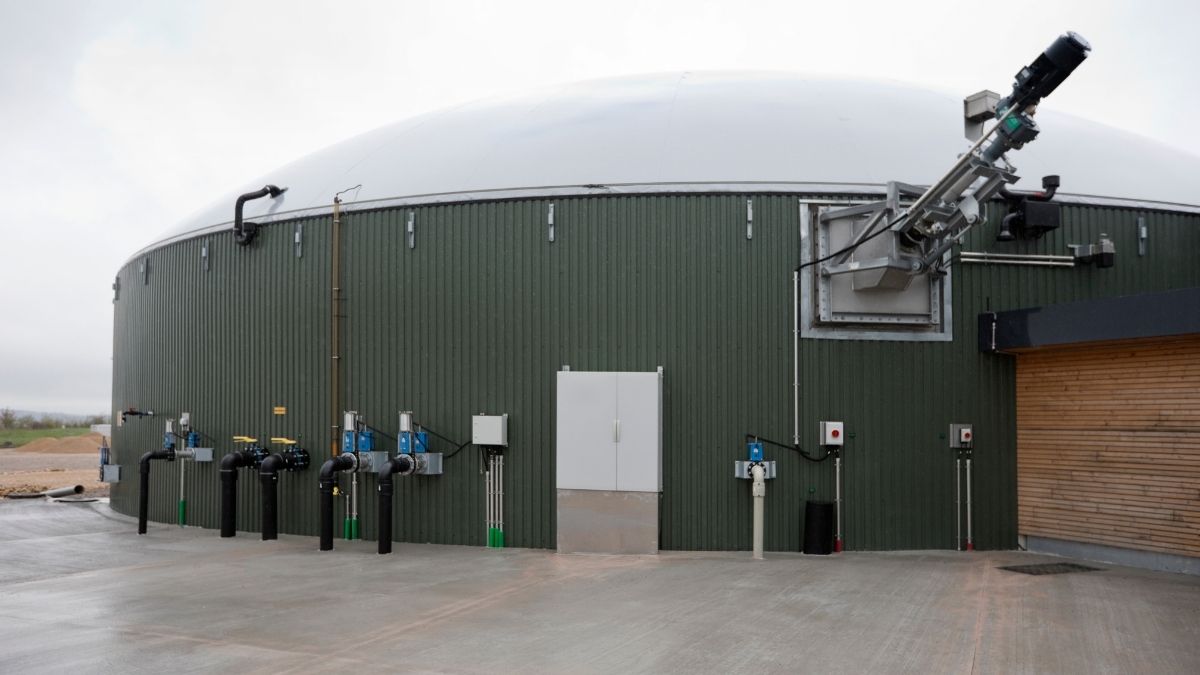
To start a new biogas plant, first prove it is watertight and gas-tight, then fill the digester in one go with fresh cattle dung…Read More →
Renewable and conventional energy sources (solar, wind, geothermal, biomass) and environmental science for engineering students.
To start a new biogas plant, first prove it is watertight and gas-tight, then fill the digester in one go with fresh cattle dung…Read More →

Biomass energy is energy obtained from organic matter of recent plant or animal origin, such as wood, crop residues, bagasse, animal dung and the…Read More →
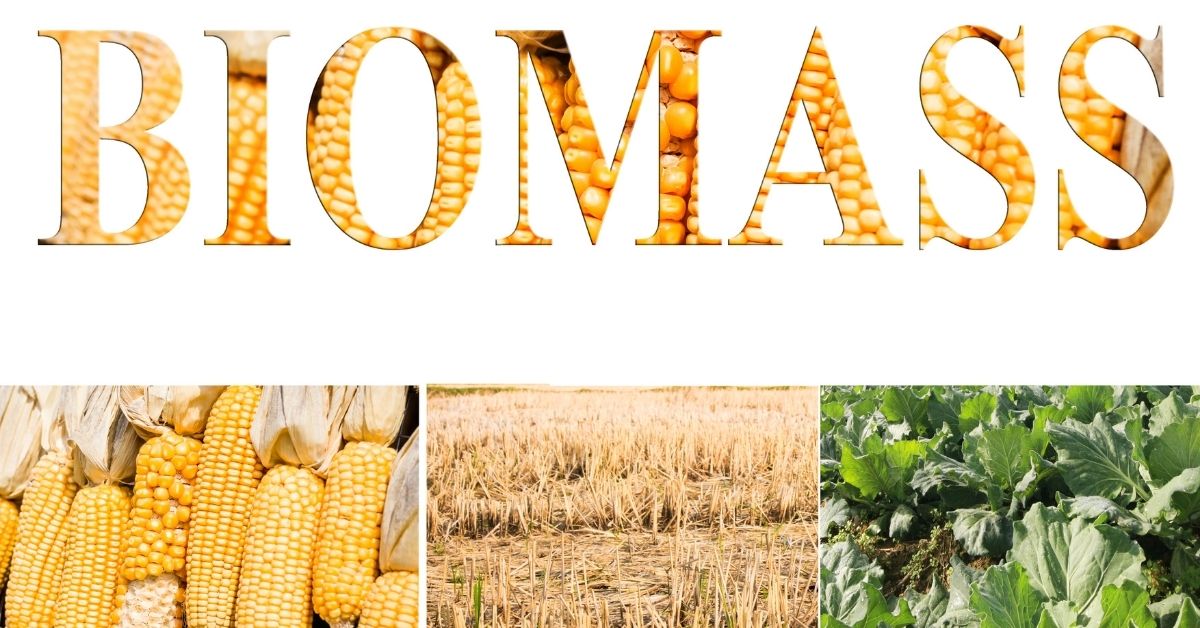
Biomass conversion technologies are the processes that turn organic matter into heat, power or fuels, and they fall into three families: thermochemical (combustion, gasification,…Read More →
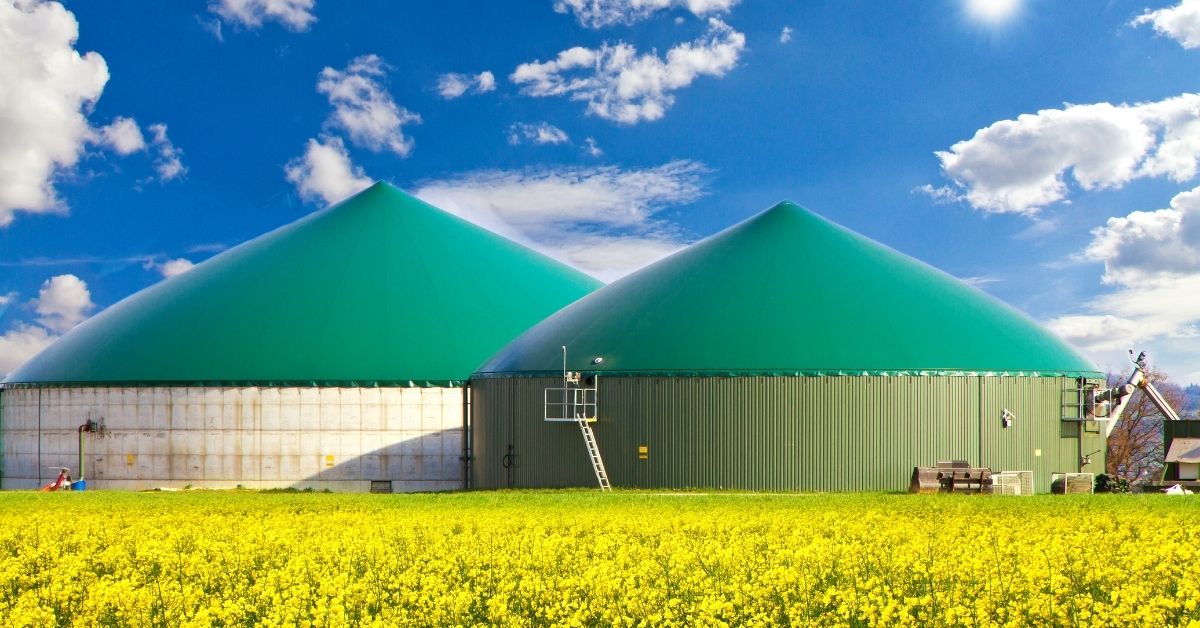
A biogas plant is a sealed, oxygen-free tank (the digester) in which bacteria break down cattle dung and other wet organic waste into biogas,…Read More →
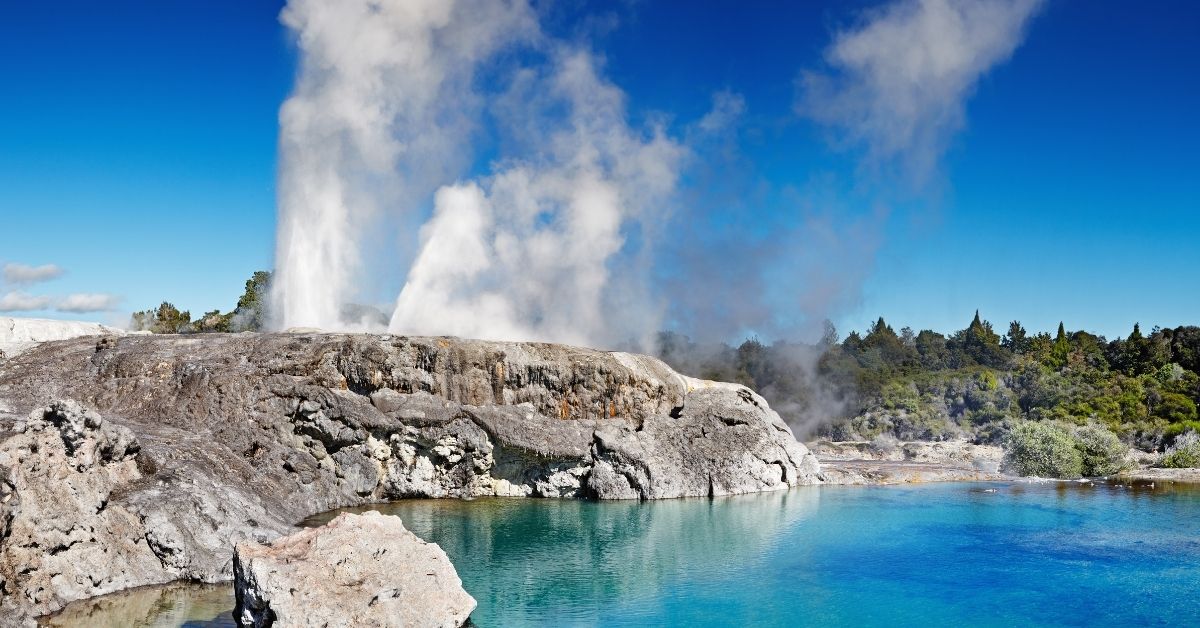
The source of geothermal energy is the heat inside the Earth. About half of it comes from the continuing radioactive decay of uranium, thorium…Read More →

Hot dry rock (HDR) is rock that is hot enough to generate power, typically 150 to 250 °C at 3 to 5 km depth,…Read More →
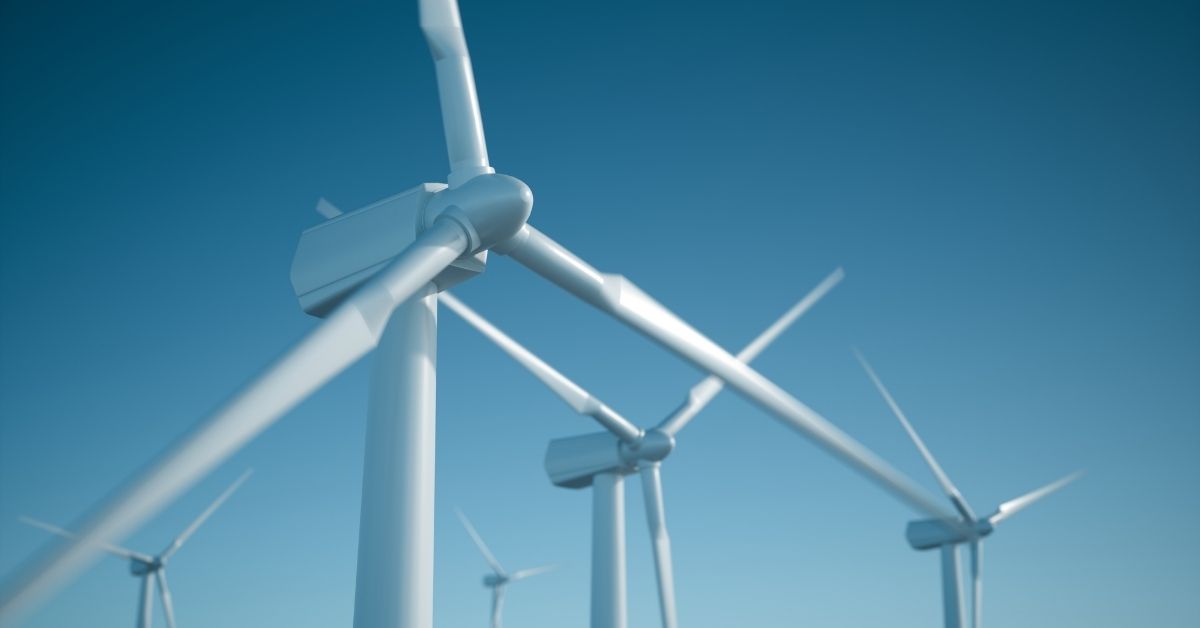
Horizontal axis wind turbines (HAWTs) dominate utility-scale power because a three-bladed, lift-driven rotor on a tall tower reaches a power coefficient of about 0.45…Read More →
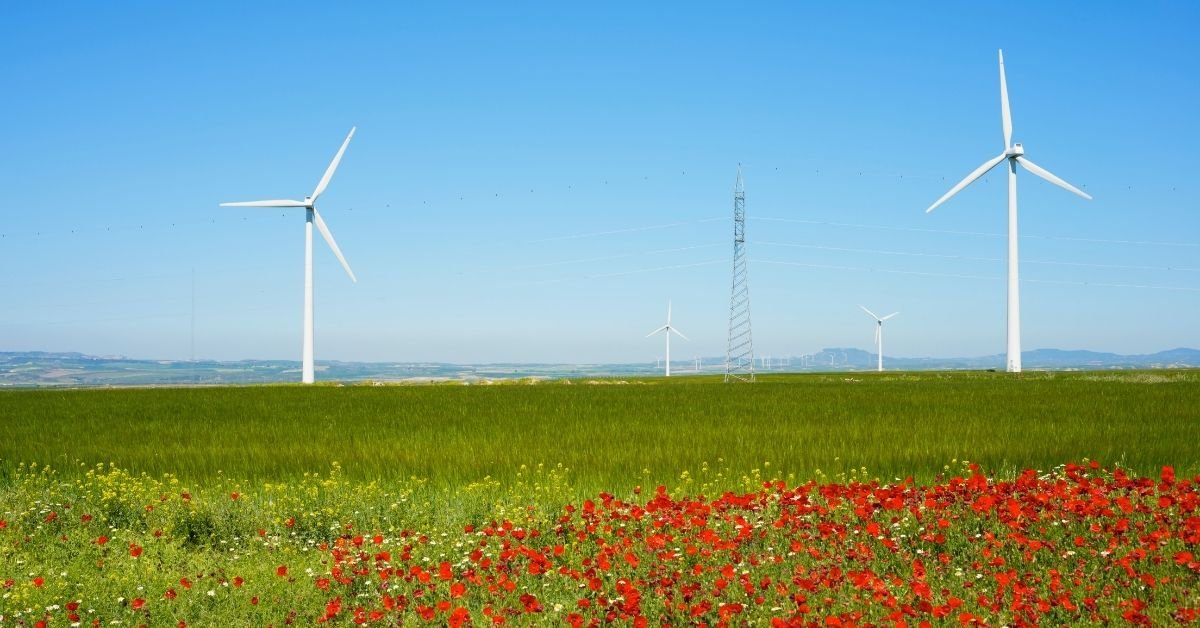
A wind turbine has four main groups of components: the rotor (blades, hub and pitch system), the nacelle with its drivetrain (main shaft, gearbox…Read More →
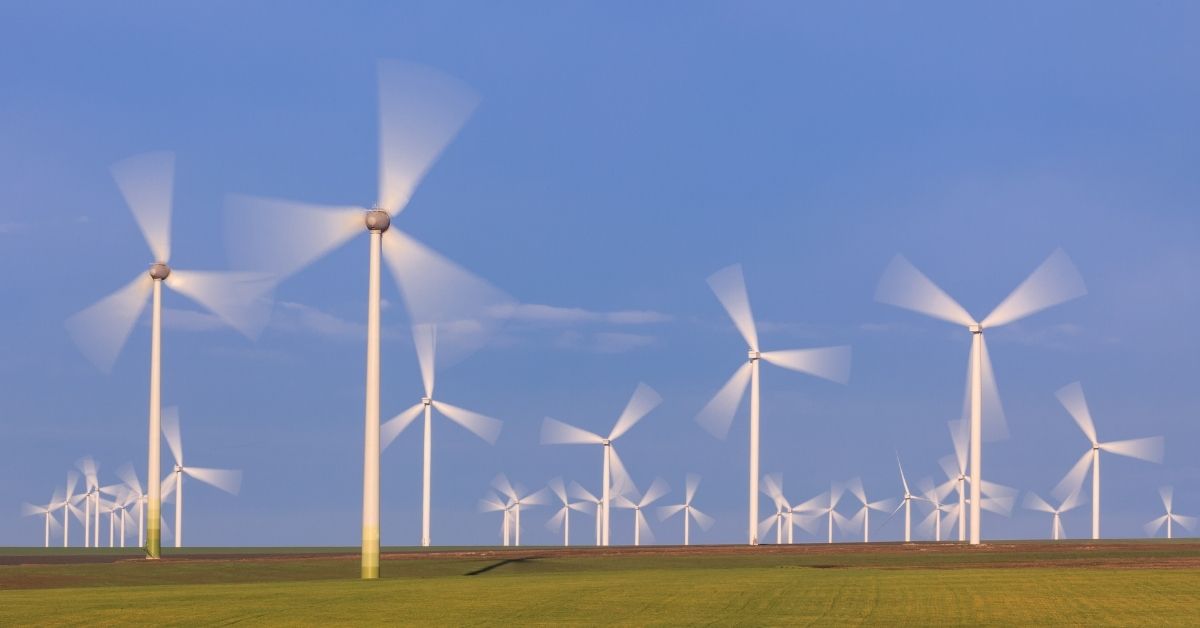
A wind turbine blade is a long, twisted aerofoil. The air meets each blade section at a relative wind made up of the wind…Read More →
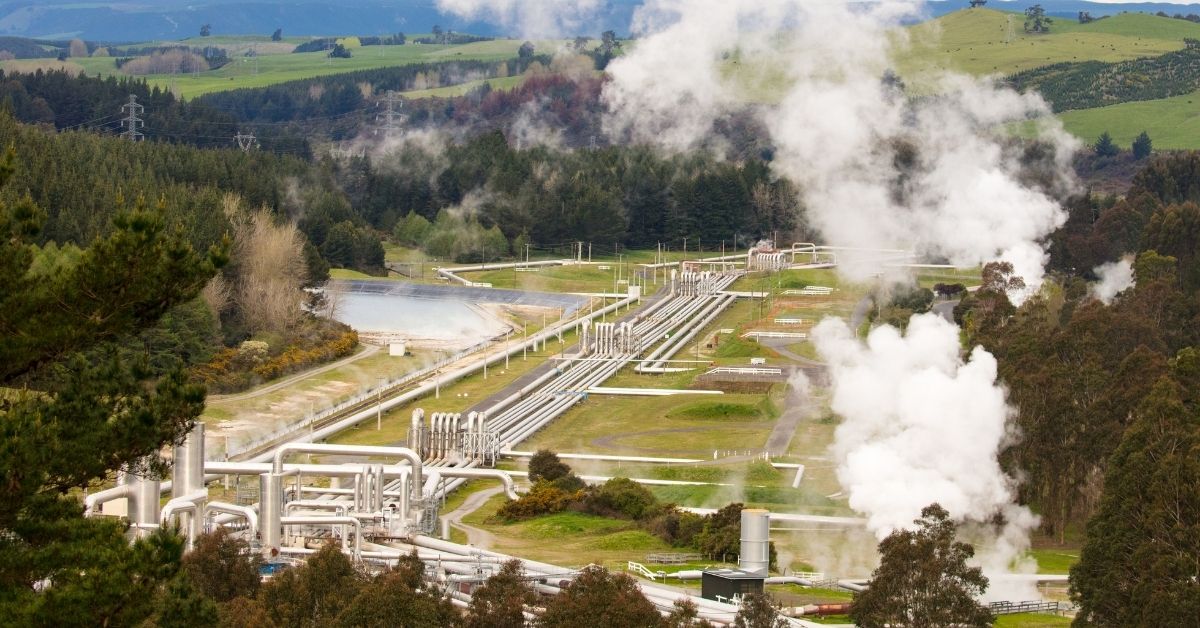
India has no commercial geothermal power plant in operation as of September 2026. The only geothermal electricity in the country comes from a 20…Read More →
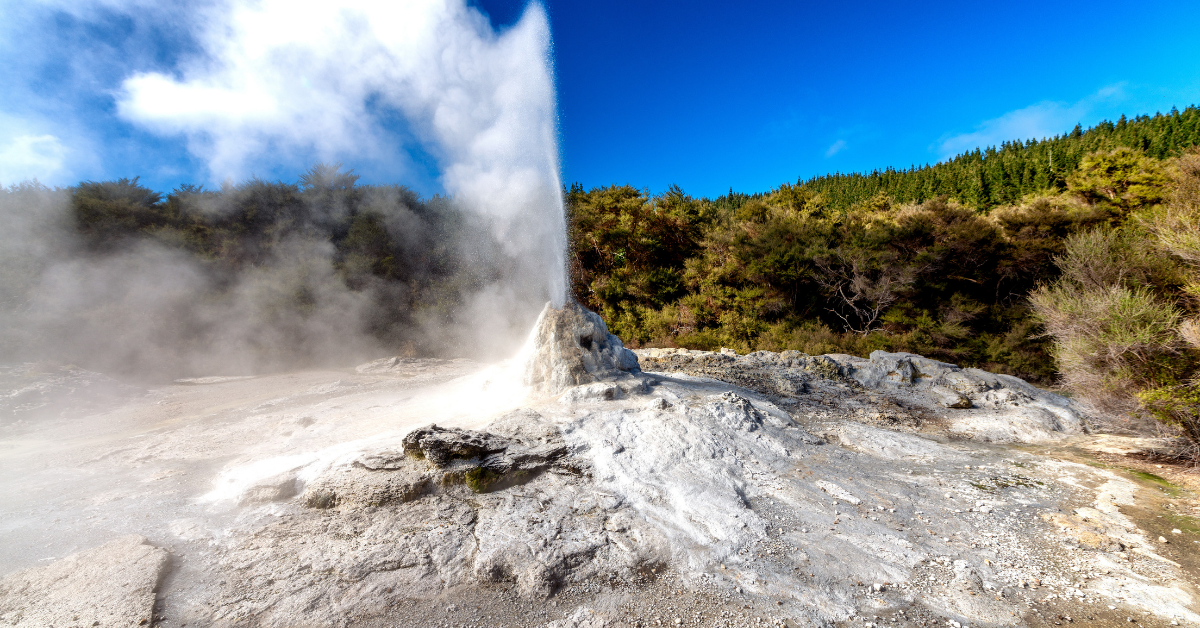
The main advantage of geothermal energy is that it runs around the clock at a capacity factor of roughly 65 to 75 percent, far…Read More →