Direct Energy Conversion: Methods, Working Principles and Applications

Direct energy conversion means turning heat, light, chemical or nuclear energy straight into electricity, without the usual middle step of a turbine spinning a…Read More →
Renewable and conventional energy sources (solar, wind, geothermal, biomass) and environmental science for engineering students.
Direct energy conversion means turning heat, light, chemical or nuclear energy straight into electricity, without the usual middle step of a turbine spinning a…Read More →
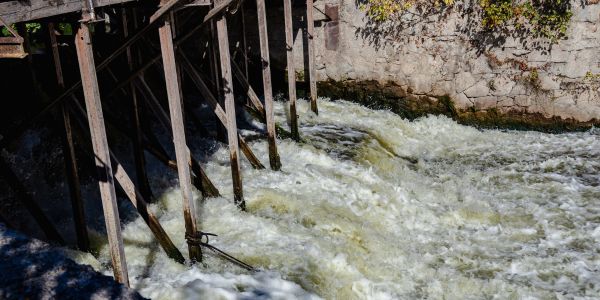
Site selection for a hydroelectric power plant comes down to two numbers, head (the height the water falls) and flow (the volume per second…Read More →
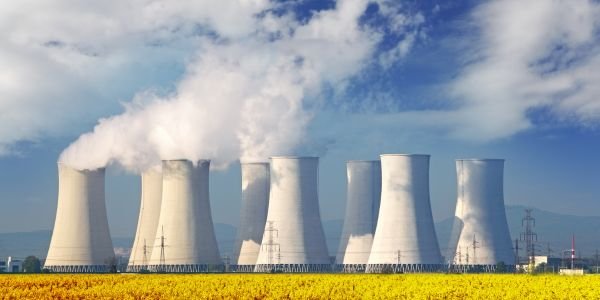
Site selection for a nuclear power plant is governed first by safety: the site must allow an exclusion zone of at least 1 km…Read More →
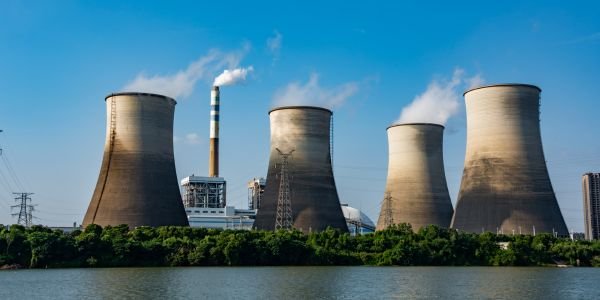
Site selection for a thermal power plant is decided mainly by two bulk flows: coal coming in and water for cooling. A 1000 MW…Read More →

Renewable resources are replaced by nature within a human lifetime, such as sunlight, wind, flowing water, biomass and geothermal heat. Non-renewable resources exist in…Read More →

Earth’s atmosphere has five main layers, defined by how temperature changes with height: the troposphere (0 to about 13 km), stratosphere (to about 50…Read More →

The full form of EDSAC is Electronic Delay Storage Automatic Calculator. EDSAC was an early British stored-program computer built by Maurice Wilkes and his…Read More →
ISMC stands for Indian Standard Medium Channel (often written Indian Standard Medium weight Channel). It is a hot-rolled steel channel section with a C…Read More →

Choose the engineering branch whose second-to-fourth-year subjects you would actually enjoy studying, then weigh it against the college you can get at your rank.…Read More →

The role of an individual in the conservation of natural resources is to cut the demand they personally place on water, energy, forests, soil,…Read More →

There are three main types of solar panels: monocrystalline, polycrystalline and thin-film. Monocrystalline panels are the most efficient (typically about 20-24% for commercial modules…Read More →
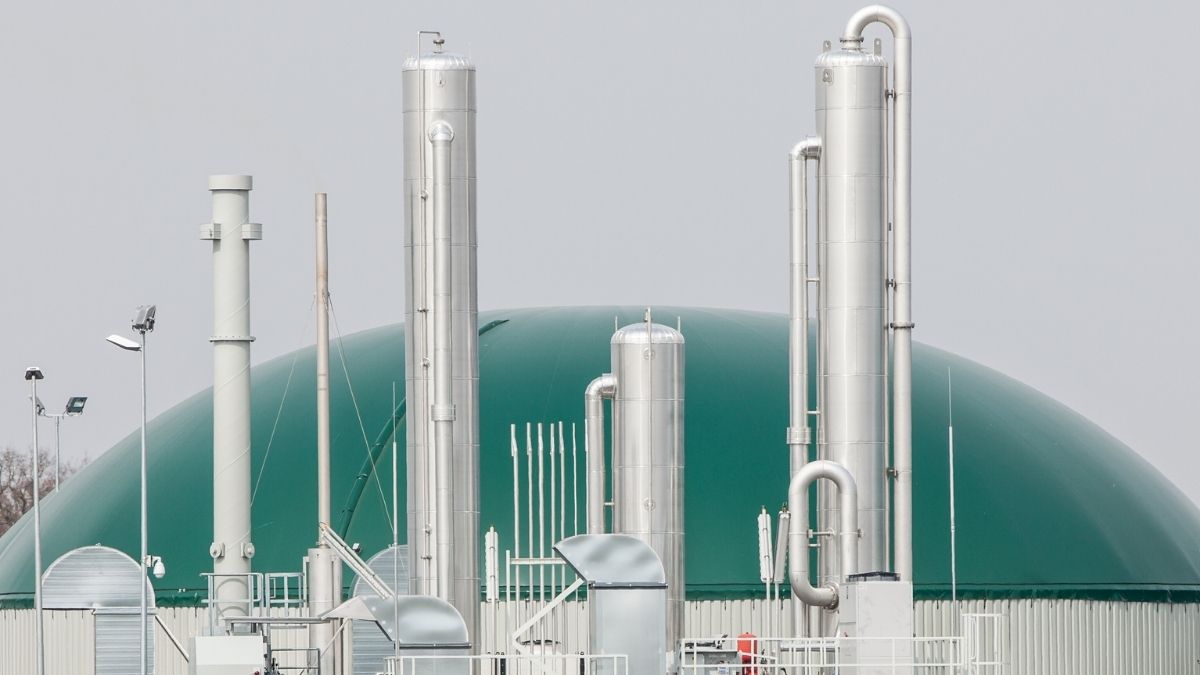
A family-size biogas plant in India is built as either a floating drum (KVIC) plant, with a brick masonry digester and a movable mild…Read More →