Brazing: Process, Filler, Advantages, Applications & More

📌 Quick Answer Brazing joins two metals by melting a filler metal above 450°C and drawing it into the joint by capillary action –…Read More →
Manufacturing engineering guides on machining processes, CNC, casting, forging, welding, 3D printing, quality control, and production engineering for students and industry professionals.
📌 Quick Answer Brazing joins two metals by melting a filler metal above 450°C and drawing it into the joint by capillary action –…Read More →

📌 Quick Answer Soldering joins metals using a filler (solder) that melts below 450°C, wetting the surfaces and solidifying to form the joint –…Read More →

📌 Quick Answer TIG welding (Gas Tungsten Arc Welding, GTAW) uses a non-consumable tungsten electrode to strike an arc, with an inert gas (usually…Read More →
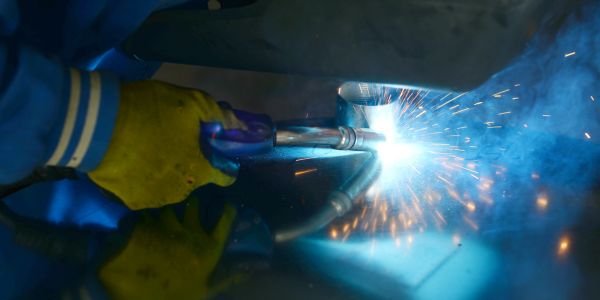
📌 Quick Answer MIG welding (Metal Inert Gas, also called GMAW) joins metals using a continuously fed consumable wire electrode and an inert shielding…Read More →
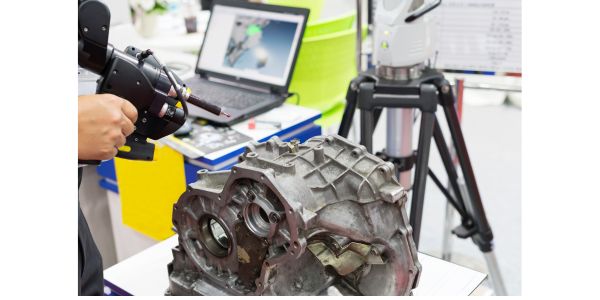
📌 Quick Answer 3D reverse engineering is the process of capturing an existing physical object and turning it into a digital 3D (CAD) model,…Read More →
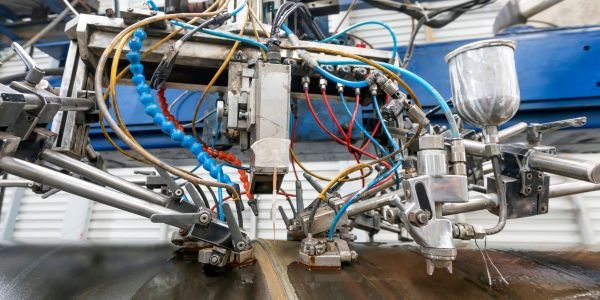
📌 Quick Answer Ultrasonic machining (USM) is a non-traditional machining process that removes material from hard and brittle workpieces by means of a tool…Read More →